

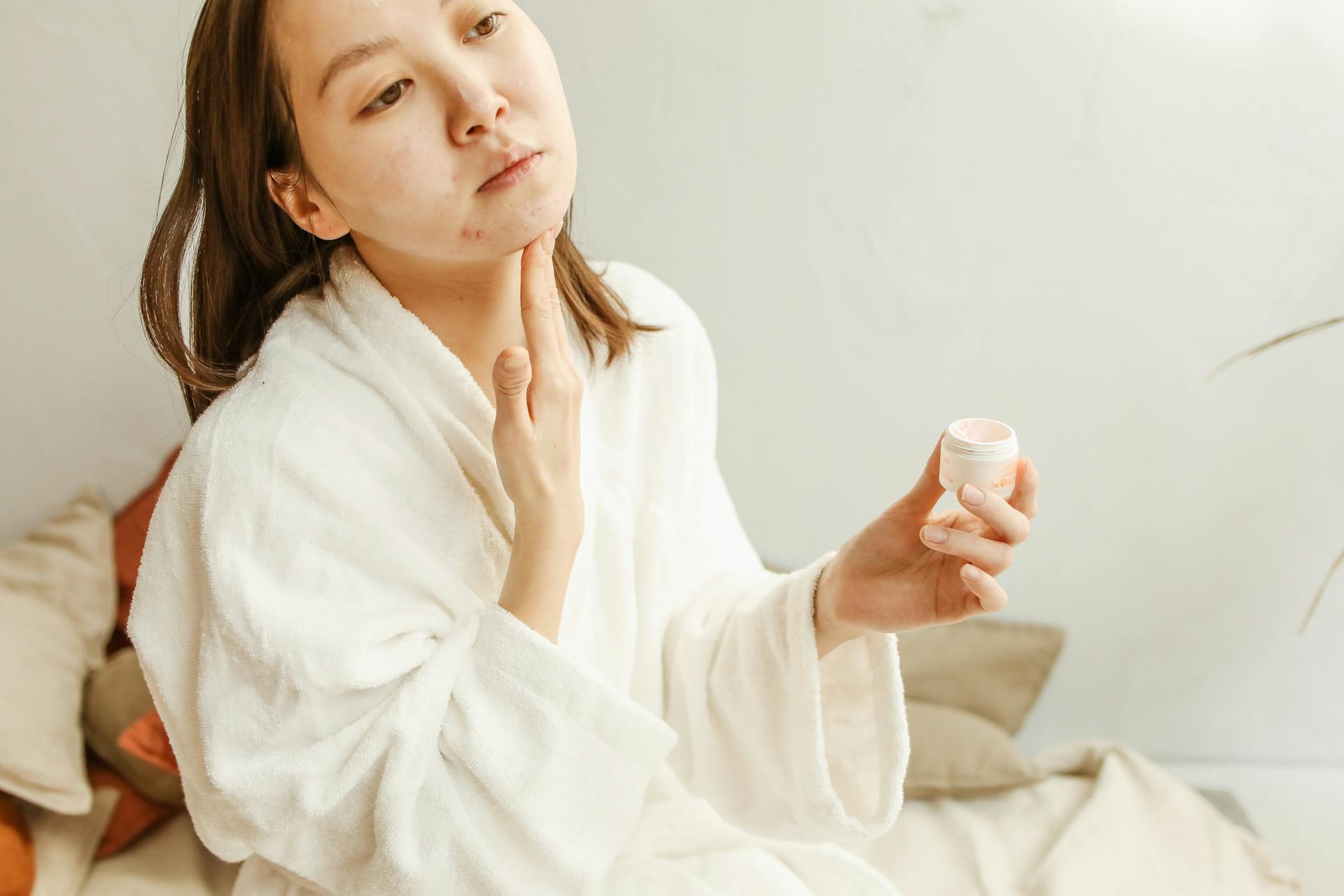
Acne is one of the most common skin concerns worldwide, affecting teenagers and adults alike. Breakouts can be frustrating, painful, and affect your confidence. Fortunately, the right acne treatment can help you manage and prevent pimples, blackheads, and cystic acne, giving you healthier, glowing skin.
In this guide, we’ll cover everything you need to know about acne, the most effective treatments, natural remedies, and lifestyle changes that can support clear skin.
What Causes Acne?
Before diving into acne treatment, it’s important to understand what causes acne in the first place. Acne usually develops when hair follicles are clogged with excess oil, dead skin cells, and bacteria. The main triggers include:
- Excess Sebum Production – Overactive oil glands can clog pores and trigger breakouts.
- Hormonal Changes – Puberty, menstrual cycles, pregnancy, or stress can lead to hormonal fluctuations that increase acne risk.
- Bacterial Growth – Propionibacterium acnes bacteria can grow in clogged pores, causing inflammation.
- Poor Skincare Habits – Skipping cleansing or using harsh products can worsen acne.
- Diet & Lifestyle Factors – High sugar intake, processed foods, poor sleep, and stress can contribute to acne development.
Understanding these causes helps you choose the most effective acne treatment for your skin.
Types of Acne
Acne comes in different forms, and each type may require a slightly different approach:
- Whiteheads & Blackheads – Mild forms of acne caused by clogged pores.
- Papules & Pustules – Red, inflamed bumps that may be tender or filled with pus.
- Cystic Acne – Severe, painful acne deep under the skin.
Knowing your acne type is essential for selecting the right treatment plan.
Effective Acne Treatment Options
The best acne treatment usually combines topical products, natural remedies, and lifestyle changes.
1. Topical Treatments
Topical creams and gels help reduce inflammation, unclog pores, and prevent new breakouts. Common ingredients include:
- Salicylic Acid – Helps exfoliate dead skin cells and unclog pores.
- Benzoyl Peroxide – Kills acne-causing bacteria and reduces inflammation.
- Retinoids – Promote skin cell turnover and prevent clogged pores.
- Azelaic Acid – Reduces redness and helps fade acne scars.
2. Oral Medications
For moderate to severe acne, dermatologists may recommend oral medications such as:
- Antibiotics – Reduce inflammation and bacterial growth.
- Hormonal Treatments – Birth control pills or anti-androgen drugs for hormonal acne.
- Isotretinoin – A powerful option for severe cystic acne under strict medical supervision.
3. Professional Procedures
Some acne cases benefit from in-office treatments:
- Chemical Peels – Remove dead skin layers and reduce breakouts.
- Laser Therapy – Targets bacteria and reduces inflammation.
- Extraction – Safely removes blackheads and whiteheads.
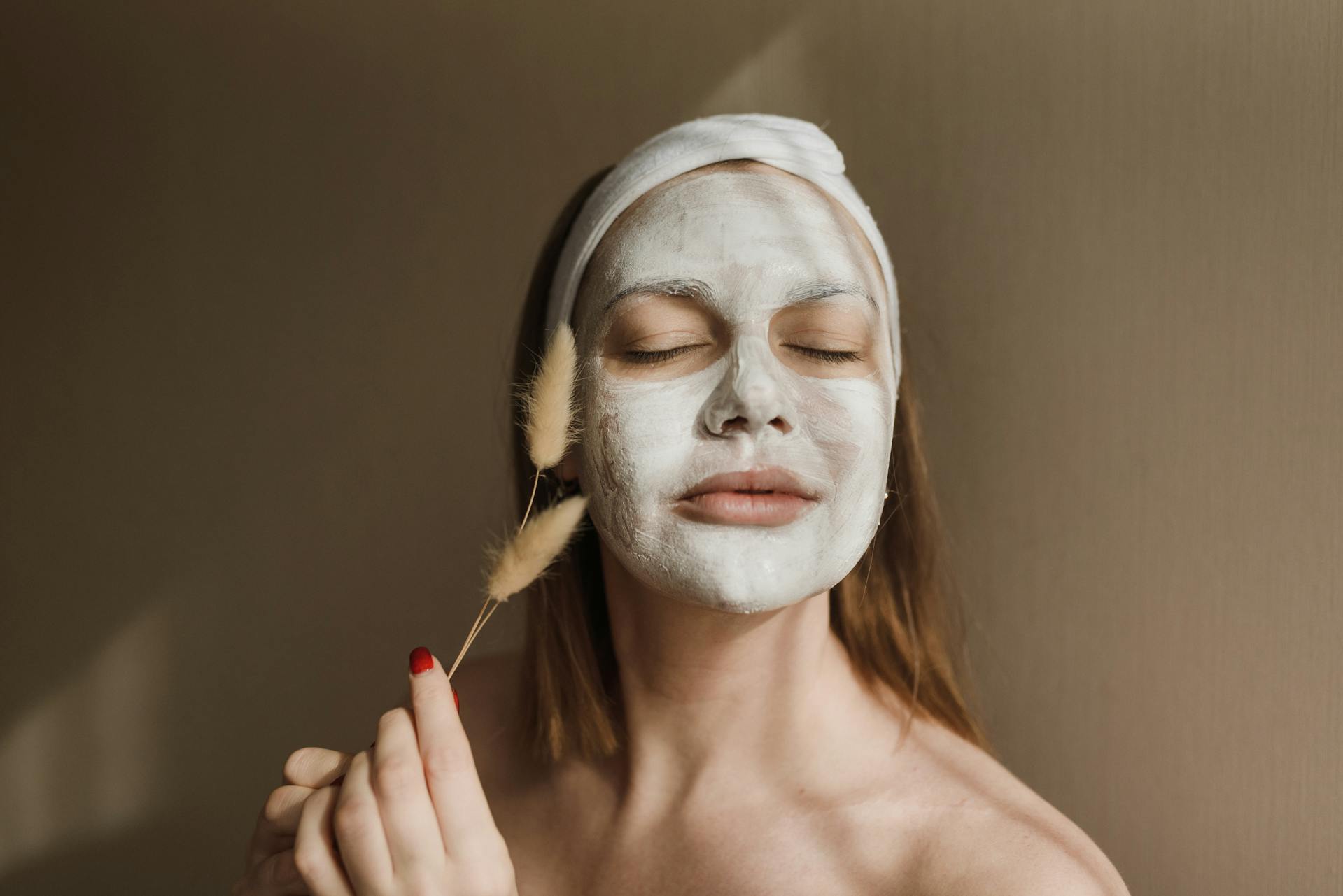
Natural Remedies for Acne
Many people prefer gentle, natural solutions to complement their acne treatment:
- Tea Tree Oil – Antibacterial and anti-inflammatory; use diluted to prevent irritation.
- Aloe Vera – Soothes irritated skin and promotes healing.
- Honey – Natural antibacterial properties; ideal for masks.
- Green Tea – Rich in antioxidants, reduces oil production and inflammation.
These remedies work best when combined with a proper skincare routine.
Skincare Routine for Acne-Prone Skin
A consistent daily routine supports any acne treatment plan:
- Cleanse Twice Daily – Use a gentle, non-comedogenic cleanser.
- Apply Toner – Helps remove leftover dirt and balances skin pH.
- Treat Acne – Apply topical treatments or natural remedies.
- Moisturize – Choose oil-free, lightweight moisturizers to maintain skin hydration.
- Use Sunscreen – Protects skin and prevents acne scars from worsening.
Lifestyle Tips to Support Acne Treatment
Healthy habits enhance the results of any acne treatment:
- Eat a Balanced Diet – Include fruits, vegetables, and whole grains; limit sugar and processed foods.
- Stay Hydrated – Water flushes toxins and keeps skin healthy.
- Manage Stress – Meditation, exercise, and sleep regulate hormones and reduce breakouts.
Common Acne Mistakes
Avoid habits that make acne worse:
- Over-washing your face
- Picking or popping pimples
- Using harsh or too many products
- Skipping moisturizer
- Sleeping with makeup on
When to See a Dermatologist
If your acne persists despite home care, professional guidance is key. Dermatologists can recommend:
- Prescription medications
- Medical-grade skincare products
- Laser or chemical treatments
Professional advice ensures safe and effective acne treatment tailored to your skin.
Final Thoughts
Achieving clear skin takes patience, consistency, and the right acne treatment. By combining effective products, natural remedies, and lifestyle adjustments, you can significantly reduce breakouts and improve skin health.
Start your journey today and enjoy the confidence that comes with healthy, glowing skin.